MAXELL, Ltd. ELECTRICAL ENGINEERING, B.S.
Maxell, Ltd. Electrical Engineering, B.S.
Envision designing the next smart device or building a system that powers an entire city! A&M Texarkana’s Maxell, Ltd. Bachelor of Science in Electrical Engineering program offers an exciting, hands-on approach to learning how to create technology that makes life easier, faster, and safer. The degree is accredited by the Accreditation Board for Engineering and Technology (ABET), ensuring you graduate with the skills needed for the global workforce.
From programming microcontrollers to designing systems for renewable energy or robots, A&M Texarkana's Maxell, Ltd. Electrical Engineering Program prepares you to think, dream, and do BIG, inventing new technology, solving global energy problems, or continuing your education at the graduate level.
Through A&M Texarkana’s educational partnership with Maxell, Ltd. (Maxell), you’ll gain exposure to cutting-edge research areas like battery innovation, automotive technology, optical lenses, displays, Internet of Things (IoT) and mobile devices.
Program Information
Degree Name: Maxell, Ltd. Bachelor of Science in Electrical Engineering
Degree Type: Undergraduate
Format: Face-to-Face at Texarkana main campus or RELLIS campus in Bryan, TX
Credit Hours: 125
Catalog: Program Requirements
Questions: 903-223-3000
Apply to A&M Texarkana Today! | Request More Information | Visit Us
Why Get Your Maxell, Ltd. Bachelor of Science in Electrical Engineering from A&M Texarkana?
A&M Texarkana’s Maxell, Ltd. Bachelor of Science in Electrical Engineering program is the first named degree program in the Texas A&M University System and Maxell’s first university partnership. Through this unique collaboration, Maxell will support high-level research involving visiting scholars and research faculty.
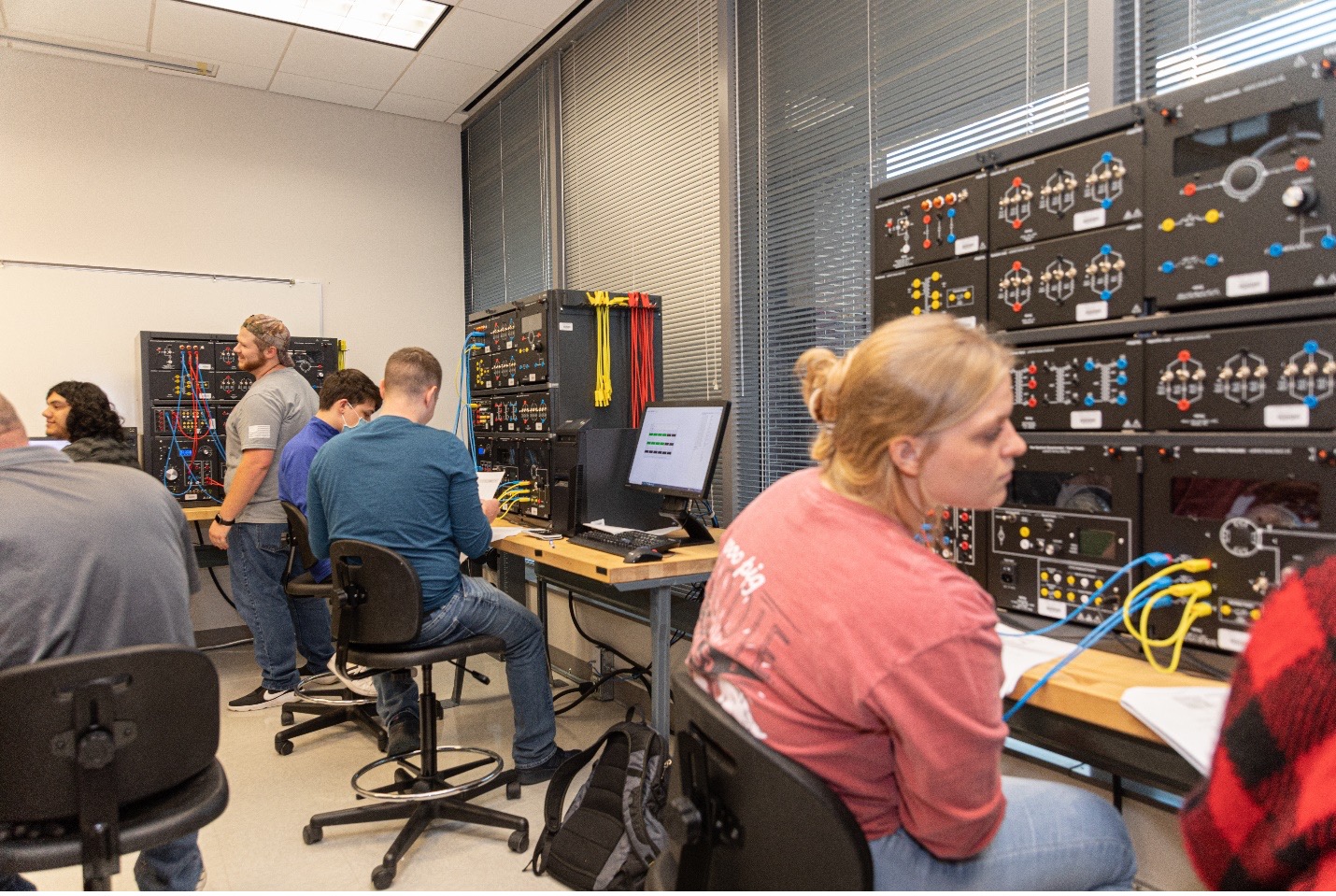
You’ll also design circuits, program microcontrollers, and solve real-world problems in our hands-on labs. Appreciate small class sizes and personal support from faculty who know you by name. Use the same tools used in the professional world and partner with companies on real engineering projects through capstones, co-ops, and internships. Whether in Bryan at our RELLIS campus or here in Texarkana, you’ll gain the skills to solve today’s challenges and shape tomorrow’s technology.
Program Highlights
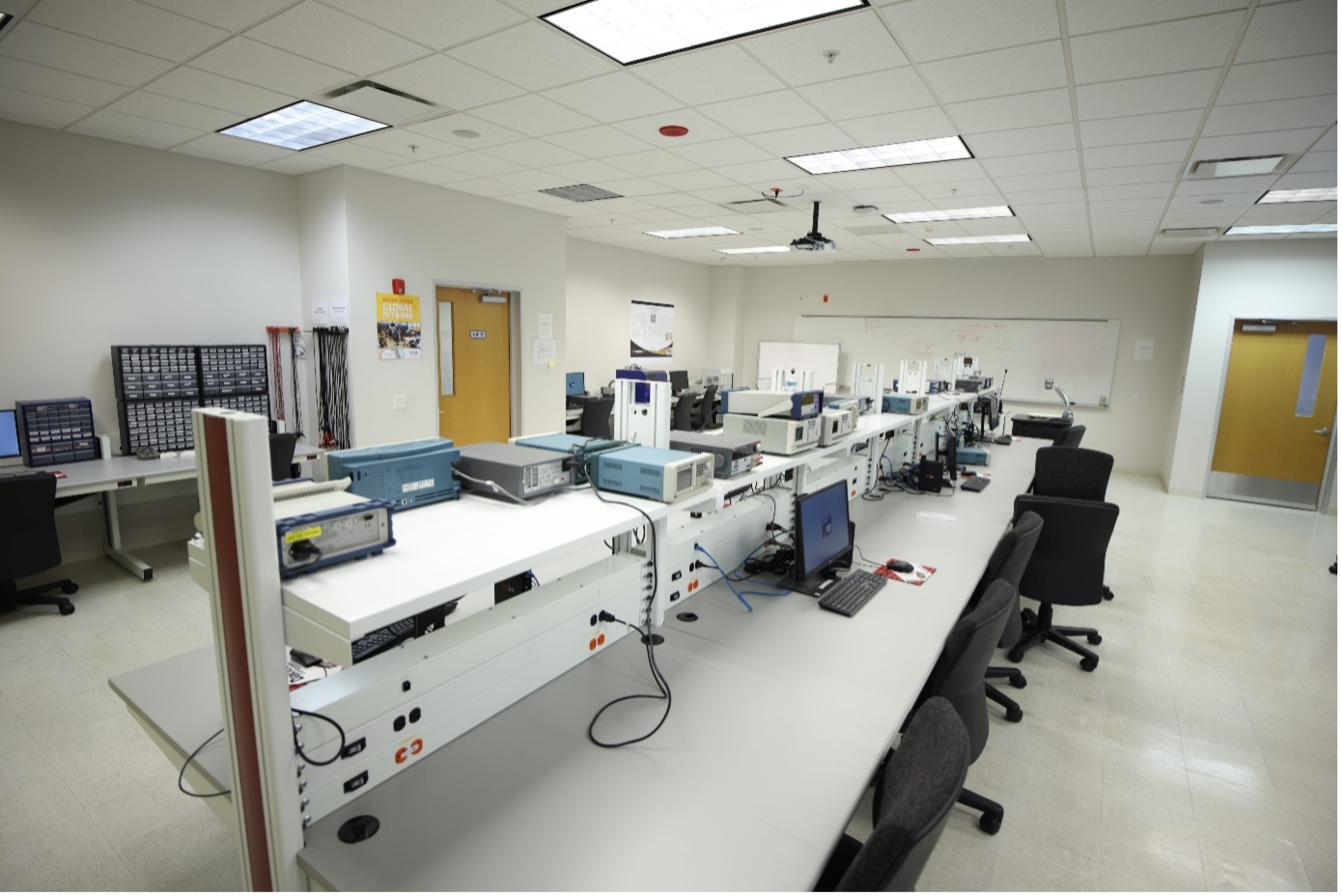
State-of-the Art Labs and Equipment
Whether in Texarkana or Bryan, you'll work with advanced tools and technologies used by engineering professionals. You’ll build circuits, program microcontrollers, and strength your problem-solving skills in labs designed for innovation.
Capstone Projects and Internships
Your senior design project will connect you with local industries to solve real engineering problems. Co-op and internship opportunities will help you gain valuable workforce-ready experience before graduation.
Supportive Learning Environment
Enjoy small class sizes and personal support from faculty who know you by name. Professors provide mentorship in technical, research, and career planning, ensuring you graduate prepared for professional success.
Industry Collaboration with Maxell Ltd.
A&M Texarkana’s partnership with Maxell Ltd. provides students with unique exposure to industry trends in solid-state batteries, optical technologies, IoT, and next-generation electronics. This collaboration brings real-world context into the classroom and creates pathways for future opportunities.
Electrical Engineering, B.S. FAQs
Is the Maxell, Ltd. Bachelor of Science in Electrical Engineering Program accredited?
Yes! The Maxell BSEE at Texas A&M University‑Texarkana is ABET-accredited, ensuring the program meets rigorous national standards for engineering education. It is also the first named degree in the Texas A&M University System, highlighting an educational partnership with the innovative Maxell, Ltd.
What will I learn in the Electrical Engineering program?
In our electrical engineering program, you'll be introduced to the fundamentals and advanced concepts of electrical engineering through hands-on, fast-paced coursework and collaboration with peers and established faculty. You'll be prepared for a career in diverse areas of electrical engineering, including manufacturing facilities, technology companies, national laboratories, public utility companies, and governmental and private engineering institutions.
What areas of study and facilities are part of the Electrical Engineering curriculum?
You'll explore a wide range of areas including control systems, embedded systems, circuits, power systems, telecommunications, and computer systems. The program emphasizes experiential learning through well-equipped labs, including IoT apartment setups, SCADA systems, and real‑time power simulation, reinforcing theoretical coursework with hands-on projects.
Can I participate in internships and design projects during the program?
Absolutely. Although not required, internships are highly encouraged and may substitute for an elective if they involve at least 200 hours and meet certain prerequisites (e.g. junior or senior standing). The program also includes a two-semester Senior Design sequence (EE 490 & EE 491), where you'll work in industry-sponsored or faculty-guided teams to complete a major engineering project.
What career opportunities are available after earning this degree?
You'll be prepared for roles such as Electronics Engineer, Control Systems Engineer, Power Systems Engineer, Telecommunications Engineer, and related positions. The curriculum’s breadth makes our graduates adaptable across industries like utilities, tech firms, aerospace, and national labs. According to the U.S. Bureau of Labor Statistics, employment in electrical and electronics engineering is projected to grow around 9% from 2023 to 2033.
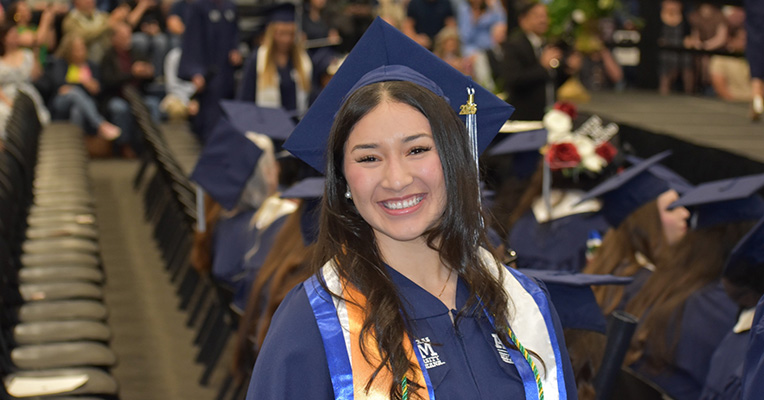
“The A&M Texarkana faculty were always very helpful. In engineering, we had small classes, so it was nice to have one-on-ones with professors, and I would work with them if I needed something and they would always be there for me.”
Sofia Reyes, A&M Texarkana May 2026 Maxell, Ltd. Bachelor of Electrical Engineering graduate, SWEPCO Distribution Engineer