
Radiologic Technology, B.S.
Radiologic Technology, B.S.
Start in Fall 2026! Apply Today!
You pride yourself on being dependable, but also compassionate, and want a career where you can help people during some of the most important and vulnerable moments of their lives.
As a radiologic technology student at A&M Texarkana, you'll learn alongside a small group of peers in a supportive, hands-on environment. You'll gain the knowledge and clinical experience needed to perform diagnostic imaging procedures with competence and compassion.
Through the program's coursework and real-world clinical training, you'll prepare for a career in a fast-growing healthcare field with a strong demand across the region. As a graduate, you'll be eligible to sit for national certification exams like the American Registry of Radiologic Technologists (ARRT).
As a radiologic technologist, you can pursue work in hospitals, urgent care centers, outpatient imaging clinics, and specialty healthcare practices, helping physicians diagnose and treat patients every day.
Program Information
Degree Name: Bachelor of Science in Radiologic Technology
Degree Type: Undergraduate
Format: Face-to-Face
Questions: 903-223-3000
Apply to A&M Texarkana Today | Program Application | Request More Information | Visit Us
Why Get Your Radiologic Technology Degree from A&M Texarkana?
Compassionate. Skilled. Service-minded.
At A&M Texarkana, you'll learn in a close-knit environment where faculty will know your name and classmates will become your support system. The small class sizes and personalized instruction help you build both confidence and competence.
You'll train in several imaging specialties, including X-ray, fluoroscopy, computed tomography (CT), and magnetic resonance imaging (MRI). Before graduation, you'll also complete specialty clinical procedures that can potentially expand your career opportunities and prepare you for additional certifications.
With a strong regional demand for medical imaging professionals, an A&M Texarkana B.S. in Radiologic Technology will help you gain a competitive advantage in today's healthcare workforce.
Program Highlights
Evidence-Based Learning
You'll learn how to stay current with new imaging technology and healthcare advancements through evidence-based practice. Build the problem-solving and critical-thinking skills that will help you improve patient care and succeed in the workplace.
Strong Healthcare Partnerships and Career Demand
Prepare for a career in a high-demand field with strong regional healthcare partnerships. Through clinical training experiences with local healthcare providers, you’ll gain real-world experience and build skills employers are looking for in radiologic technologists.
Advanced Imaging Technology Training
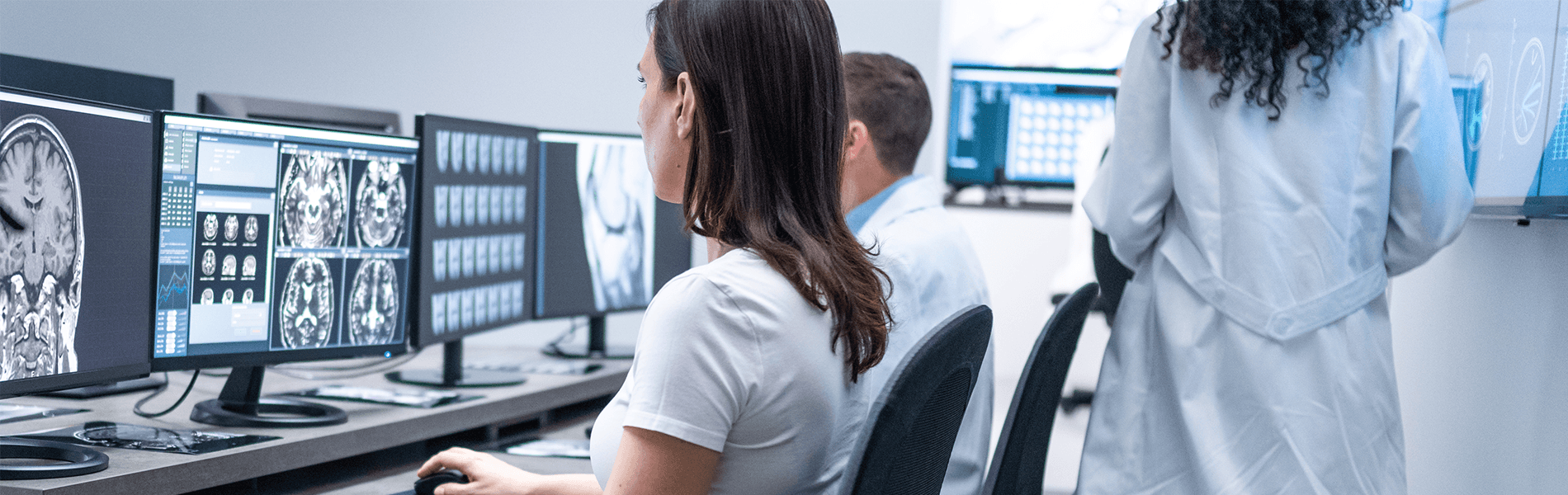
Gain hands-on experience with X-Ray and advanced imaging techniques, including CT and MRI. Learn how to work with industry-standard imaging systems like PACS and DICOM which are used to manage and share digital medical images.
Radiologic Technology FAQs
What is radiologic technology and what does a radiologic technologist do?
Radiologic technology is the science of using advanced imaging equipment like X-rays, CT scanners, and MRI machines to create images of the body.
A radiologic technologist performs medical imaging exams like X-rays, CT scans, and MRIs to help physicians diagnose and treat diseases. The day-to-day responsibilities of a radiologic technologist includes prepping patients, positioning patients and adjusting equipment to ensure accuracy and high-quality images are captured, and following safety protocols to minimize radiation exposure for both the patient and themselves. They also make sure equipment is properly calibrated and pass images to radiologists for review and interpretation.
What is the difference between radiography and sonography?
Although radiography and sonography are both essential medical imaging fields, they use fundamentally different technologies. Radiography uses ionizing radiation like X-rays and CT scans to primarily view dense structures and sonography uses high-frequency sound waves to capture images of soft tissues, organs, and blood flow.
What are the admissions requirements?
In order to apply and be considered for acceptance into the B.S. in Radiologic Technology program, you must meet the following criteria:
- Be accepted to A&M Texarkana as a student before applying to the radiologic technology program.
- Have a cumulative ranking GPA of 2.5 or greater on all core courses required for the radiologic technology program.
- Applicants must be in good academic standing with the University.
- A grade of C or higher (with no more than 2 attempts for each course in the last 5 years) is required prior to admission for the following completed courses: BIOL 2401 and BIOL 2402.
- Have basic core courses completed before applying to the program.
- All applicants will be required to interview with selected faculty members.
- Completion of the required amount of professional observation hours.
What job opportunities can I pursue after graduating?
As a graduate of the A&M Texarkana B.S. in Radiologic Technology program, you will be eligible to sit for certification examinations like the American Registry of Radiologic Technologists (ARRT). You'll also be eligible for dual certification in diagnostic radiology and specialty areas, significantly improving your job placement rates.
Possible job opportunities include:
- Radiologic Technologist (Radiographer)
- Perform X-rays in hospitals, clinics, imaging centers, and emergency centers or departments
- CT Technologist (Computed Tomography)
- Specialize in cross-sectional imaging using CT scanners
- MRI Technologist (Magnetic Resonance Imaging)
- Operate MRI equipment to produce detailed images of organs and tissues
You can seek job opportunities within hospitals, urgent care centers, emergency departments and centers, and veterans' hospitals and clinics.
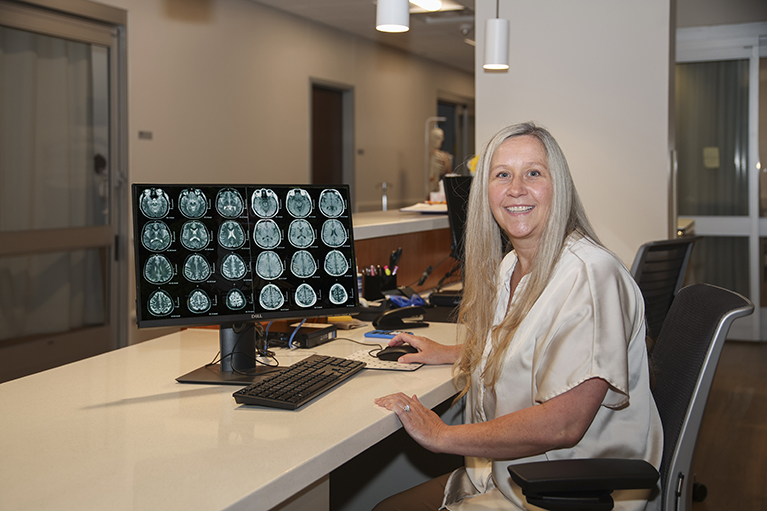
"I've been an X-ray technologist for more than 20 years. Radiologic technology is just as much a passion for me as nursing, and I wanted this program to be done the right way."
Jami Yeager, Program Director | Lecturer of Radiologic Technology